
The laboratory of participation
Where shared decisions are made.
About us in brief
InnoK's participation laboratory
CivicLab is one of the three laboratories of the InnoK Knowledge Management Institute. While UrbanLab develops urban systems and LivingLab carries the methodology and research, CivicLab pursues a single question: how can residents be made meaningful participants in shaping shared matters and preparing decisions in their own environment.
We don't run opinion polls. We don't hold town-hall meetings where people voice their complaints and then go home. We build processes that end in a decision that gets implemented — with randomly selected participants reflecting the district's main demographic characteristics, a moderated deliberative debate and expert background materials.
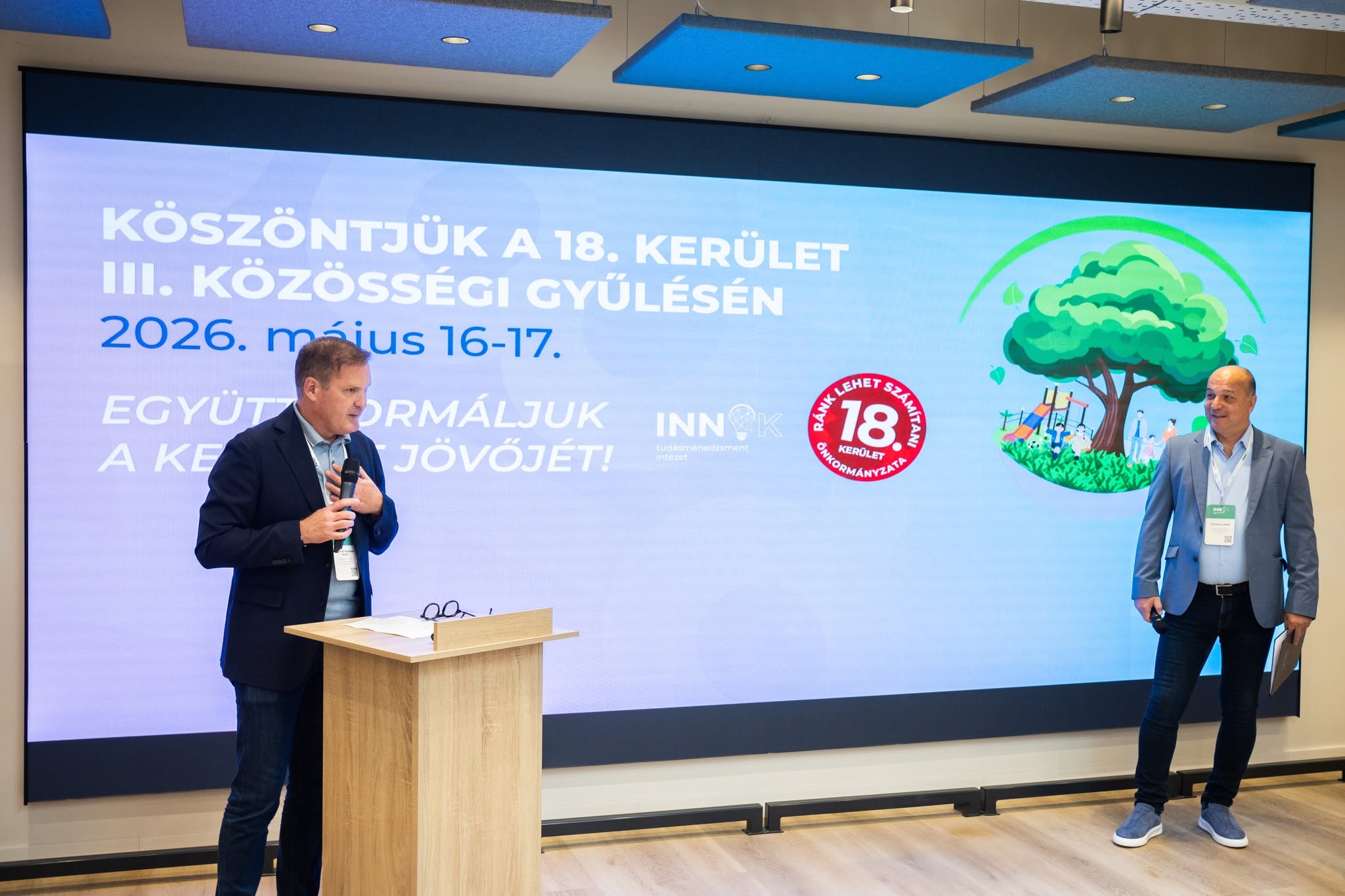
Community Meeting
Where the district's residents shape shared decisions
Randomly selected residents sit down together to form their position on a specific district matter — with expert support.
What is a community meeting?
A tool of deliberative democracy: not a vote, but shared thinking — informed, moderated, documented.
Find out →How do we select participants?
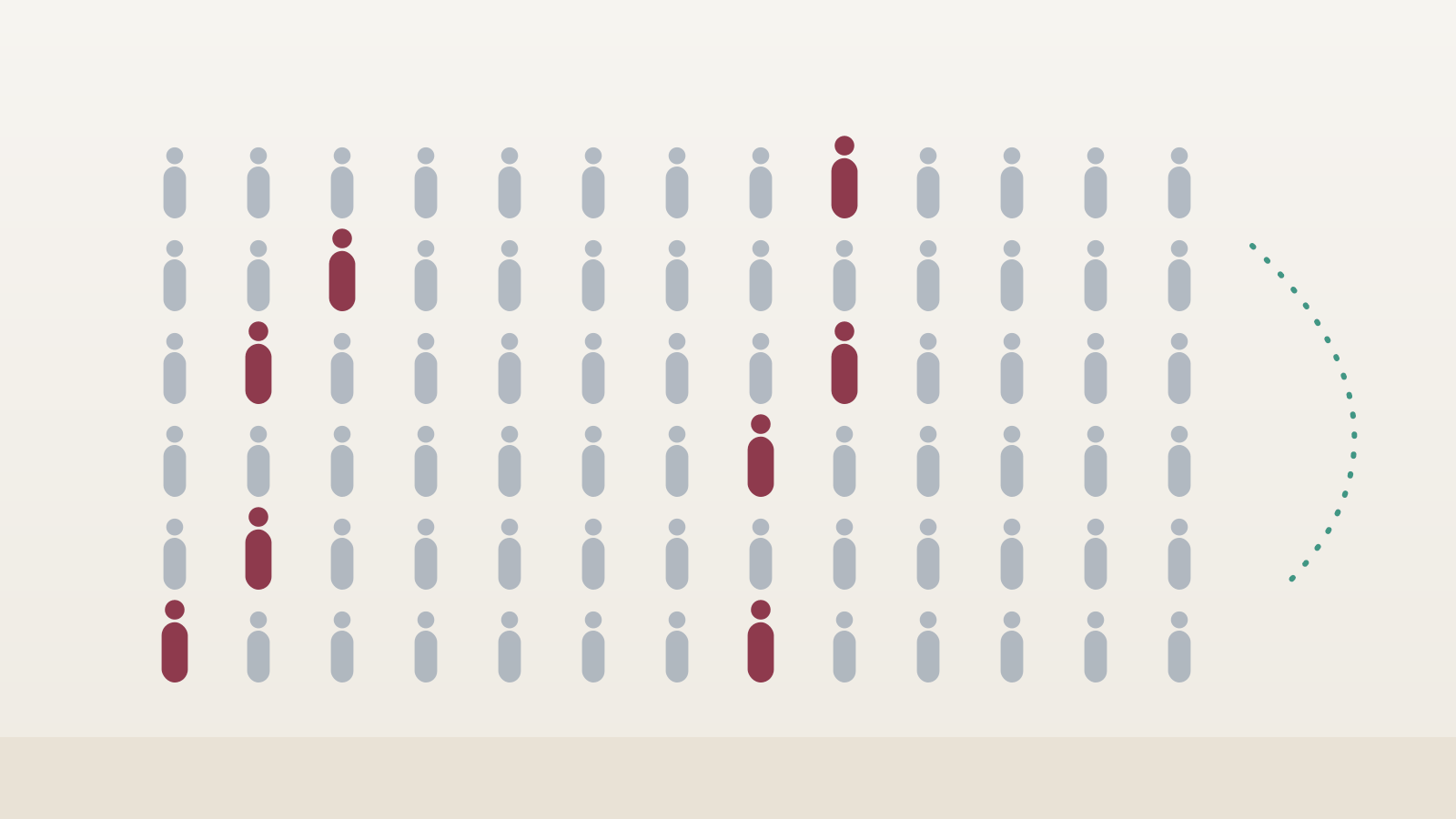
Random but stratified selection: participants mirror the district by age, gender, education and place of residence.
Methodology →Our past assemblies
What we discussed, who took part and what became of the decisions — every meeting documented.
Take a look →Next meeting
4th community meeting — expected 3–4 October 2026. · Venue: 1184 Budapest, Üllői út 400., the council chamber. · The organisers want to recognise everyone's participation: participants are welcomed with a gift voucher, a gift and full catering.
Our services
What we offer local governments and organisations
Organising a community meeting
The full process from framing the topic, through selecting participants, to the closing recommendation.
Focus groups and in-depth interviews
Qualitative research for when you need to understand what lies behind the numbers.
Moderation and facilitation
Tense topics, multi-stakeholder negotiations — with neutral, trained moderation.
How we work
The five steps of the participatory process
Participation is not an event but a process. These five steps are what distinguish genuine engagement from a token consultation.
Framing the question
We phrase a question the decision-maker is genuinely willing to answer.
Selecting participants
Stratified random sampling, so the group reflects the community.
Learning
Balanced background materials and experts — from several perspectives.
Deliberation
A moderated debate where participants also hear each other's arguments.
Recommendation and feedback
A written recommendation, and a public answer on what was actually implemented.
Our projects
What are we working on right now?
Featured project
Next meeting: the 4th community meeting
Expected 3–4 October 2026. Venue: 1184 Budapest, Üllői út 400., the council chamber.
The organisers want to recognise everyone's participation: participants are welcomed with a gift voucher, a gift and full catering.
Knowledge base
The methodology of participation — made clear
What's worth knowing about deliberative democracy, sortition-based sampling and citizen engagement.
What is deliberative democracy?
Why a community meeting is different from a referendum or a town-hall meeting.
Read it →Stratified random sampling
How 60 people become a faithful miniature of the district.
Read it →What happens to the recommendations?
The meeting makes no binding decision — but every recommendation gets a public answer.
Read it →
Would you like to involve residents in a decision?
We design participatory processes for local governments, institutions and civil-society organisations — from framing the question to the recommendation that gets implemented.